

However, an endorsement may only cover accounts receivable record losses that occur from damage to buildings or business property. If you want coverage against a wider range of losses, you should purchase a standalone accounts receivable insurance policy. These companies assess credit risks and offer policies that ensure businesses remain protected against financial uncertainties arising from customer defaults. By covering unpaid invoices, it ensures steady cash flow and reduces risk. This allows you to focus on growth and stability without worrying about non-payments.
Credit Insurance as a Risk Mitigation Tool for International Trade
Your client might encounter financial hardship or, in the worst-case scenario, default on payment altogether. This seemingly routine event can quickly transform into a financial challenge. It will cast shadows over your cash flow, profitability, and overall business stability. Once you find the right policy, you can get coverage in less than 24 hours. In some cases, receivables insurance will offer protection against political risks. It’s a safety measure that protects your business from potential financial losses.
Conclusion: Balancing Cost and Coverage
Additionally, using accounts receivable insurance can safeguard against unforeseen non-payment risks. This ensures your business’s cash flow remains stable even if customers encounter financial difficulties. Accounts receivable insurance, also known as insurance on accounts receivable or AR in insurance, helps protect your business from financial losses when customers cannot pay their debts. Accounts receivable insurance, often referred to as trade credit insurance or debtor insurance, is a financial product designed to protect businesses.
Complex Claims Process

However, the system’s localized nature makes it less useful for businesses operating across multiple international markets, as it lacks the global comparability offered by OECD standards. Credendo’s regularly updated methodology ensures businesses, particularly U.S. companies using Accounts Receivable Insurance, can accurately estimate premium costs. These updates provide essential insights for navigating international markets, helping companies plan more effectively when engaging in cross-border trade. When it comes to medium- and long-term risks (beyond one year), the agency assesses broader solvency indicators. These include economic and financial stability, political and institutional conditions, fiscal policies, external balances, and growth potential. Credendo also examines vulnerabilities such as export diversification and climate-related risks, ensuring a thorough analysis of each country’s situation.
ARI’s expert brokers, known for their advanced technological resources, specialize in optimizing policies to suit unique business risks. They can negotiate terms that align with your operational needs and recommend digital tools to enhance credit risk evaluations. Beyond setting up your policy, ARI’s brokers provide ongoing support for adjustments, claims management, and premium optimization as your business evolves. By acting as a bridge between you and insurers, they ensure that everyone involved understands the risk factors and coverage requirements that influence premium calculations. Their expertise can save you time, reduce complexity, and help you make informed decisions.
How Accounts Receivable Insurance pays for itself
Whole turnover policies provide coverage for all of a business’s accounts receivable. They protect against non-payment by any customer within the insured portfolio. Accounts receivable insurance safeguards businesses against losses due to non-payment, ensuring a steady cash flow and financial stability.
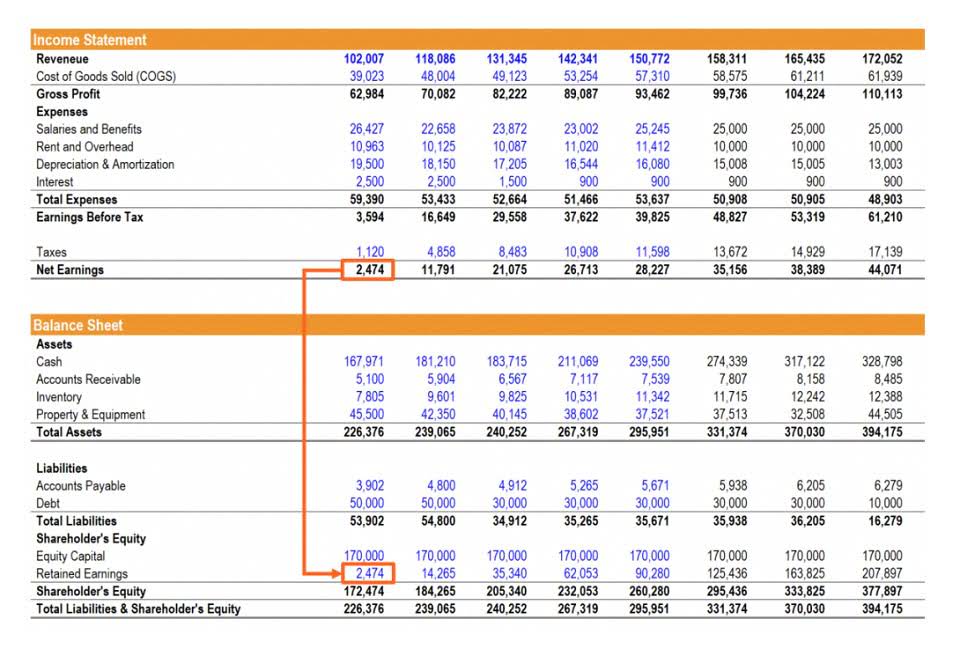
Running a business often means extending credit to clients, but what happens when they don’t pay? Protecting your accounts receivable is crucial, and that’s where tools like a Credit Insurance Cost Estimator come in handy. This resource helps you gauge the potential expense of insuring your receivables against non-payment, giving you a clearer picture Retained Earnings on Balance Sheet of how to safeguard your finances without breaking the bank.
It helps small businesses withstand losses and maintain cash flow
This can help make it easier for your business’ cash flow to remain stable when you have trouble getting invoices paid like normal. You’ll also get unearned revenue reimbursed for costs incurred when chasing down payments related to the claim. Navigating the world of credit insurance and the insurance claims process can be complicated and challenging. There is no additional cost to you for using a trade credit insurance broker. The credit insurance premium is calculated by using a percentage of your turnover combined with level of risk. In other words, the number depends on who you are selling to, how much coverage your company needs for each customer, customer ratings, loss history, and the business sector.
- The final rate depends on your industry risk profile, customer concentration, historical loss data, and geographical exposure.
- The system remains flexible, you can request additional coverage for specific buyers throughout your policy term.
- As an example, during an economic slump, if your clients struggle financially, your insurance helps buffer these risks, preventing potential negative impacts on your finances.
- His portfolio included trade credit clients in forestry, construction, agri-food, engineering services and technology companies.
- Other points are what kind of work your customers do, where they are, and if you let them pay later (like 60 or 90 days), which makes getting money back take longer and adds to the risk.
- For companies generating over $10 million in annual sales, trade credit insurance typically costs between 0.1% and 0.4% of total sales.
What does accounts receivable insurance cover?
By ensuring consistent cash flow even when customers face financial challenges, it can help you negotiate better financing terms. Banks often view insured receivables as safer assets, which can unlock more favorable loan conditions. Another major factor in trade credit insurance cost is the sector or industry that accounts receivable insurance you do business in.
With customer defaults or insolvencies responsible for 25% of corporate bankruptcies, a smooth claims process can mean the difference between resilience and financial distress. Better still, accounts receivable insurance can also help you build a more robust accounts receivable setup. Most policies will pay to have data recovery specialists work to recover lost data. Whether it’s big or small, domestic or international, your company can benefit from accounts receivable insurance.